PhD Thesis: Acoustic identification of individual animals
Queen Mary University of London, 2025
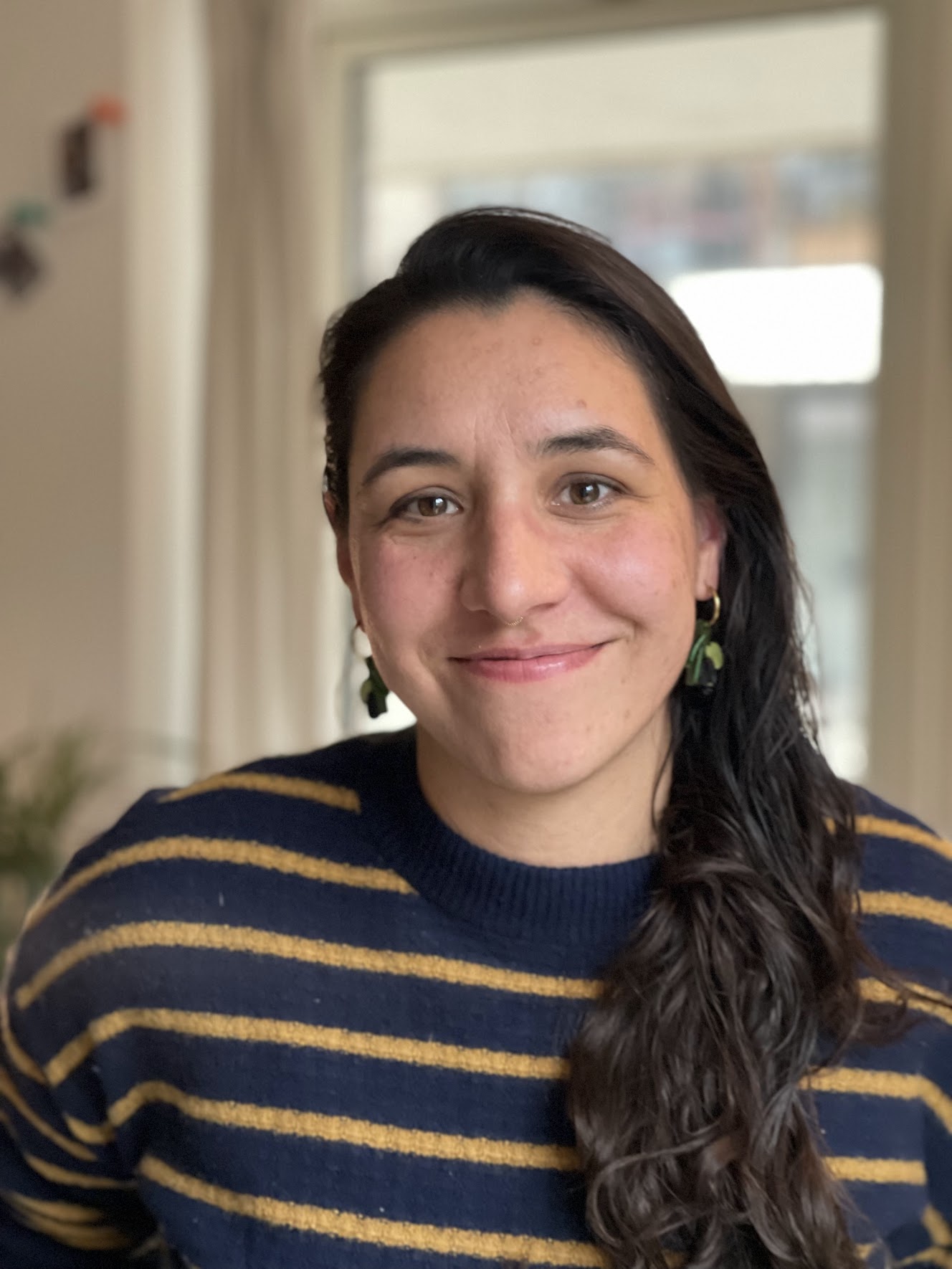
📍 Based in London
Postdoctoral Researcher
in Computational Bioacoustics and Animal Communication
I am currently a Postdoctoral Researcher at Earth Species Project, working in computational bioacoustics and animal communication. My research focuses on developing machine learning methods to understand how animals communicate, with applications in conservation and biodiversity monitoring.
I come from a computer science background and began working in bioacoustics by analysing beehive sounds to understand how the bee colony is doing. This work sparked my interest in applying machine learning more broadly to decode animal vocal communication across species. I received my Ph.D. from Queen Mary University of London in 2025, where my dissertation focused on acoustic identification of individual animals using deep learning approaches.
What drives my work is a desire to understand the behavior of other animals. By developing computational tools to study how different species communicate, I aim to expand our knowledge of their worlds and, in doing so, foster greater empathy and acceptance towards other forms of life.
Research: Explainable AI and interpretability methods, Communication networks in animals
Reading: The Ministry of Utmost Happiness by Arundhati Roy
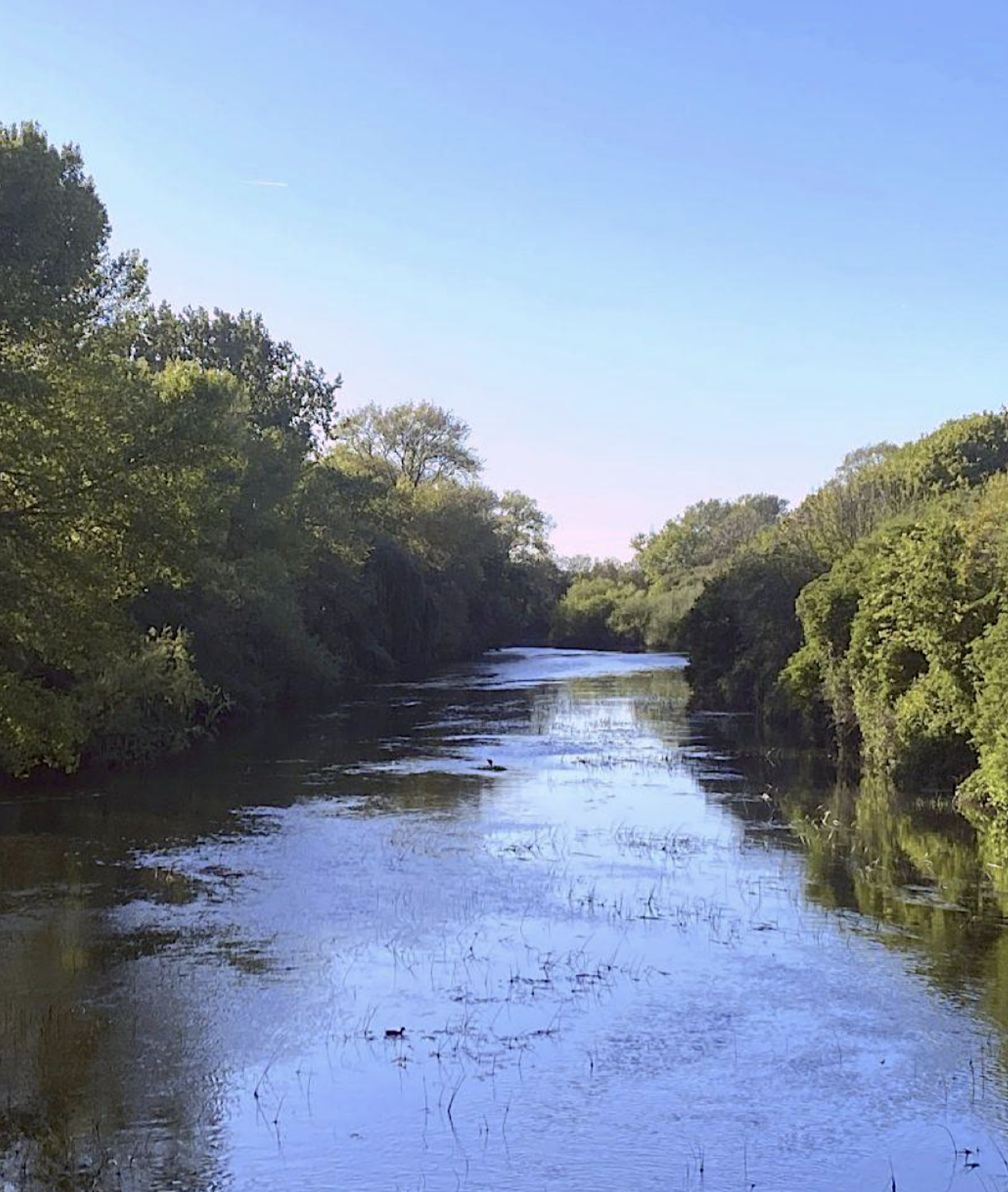 Photo by Courtney Reed
We invite everyone to join us on this full-day, in-person workshop at the 2026 New Interfaces for Musical Expression Conference (NIME) in London, UK. Together, we’ll discuss and engage with the multiple identities, phases, and histories of waterbodies. To explore the practicalities of human-machine-water relationships, we’ll take a listening sound walk alongside the Lee Navigation canals in East London, near the Loughborough University London (LUL) host campus. During our day out, we’ll query the plural perspectives that make up the River Lea and its diversion along the Lee Navigation, as a greater entity beyond the physical waterway, and how these can be listened to and engaged with through sound and audio technologies. Registration Deadline: 19 June, 23:59 (AOE). https://thechaoslab.github.io/thirdbank/
Our work investigates what acoustic information is captured in the representations learned from widely used pre-trained bioacoustic models. By decoding a diverse set of acoustic features from these embeddings, we take a first step toward improving the interpretability of pre-trained models for bioacoustic research and informing model selection for several tasks. The preprint is available on arXiv.
Photo by Courtney Reed
We invite everyone to join us on this full-day, in-person workshop at the 2026 New Interfaces for Musical Expression Conference (NIME) in London, UK. Together, we’ll discuss and engage with the multiple identities, phases, and histories of waterbodies. To explore the practicalities of human-machine-water relationships, we’ll take a listening sound walk alongside the Lee Navigation canals in East London, near the Loughborough University London (LUL) host campus. During our day out, we’ll query the plural perspectives that make up the River Lea and its diversion along the Lee Navigation, as a greater entity beyond the physical waterway, and how these can be listened to and engaged with through sound and audio technologies. Registration Deadline: 19 June, 23:59 (AOE). https://thechaoslab.github.io/thirdbank/
BioDCASE 2026 will host 6 tasks! We were very happy to have received many great task proposals, which made the selection process quite challenging. In addition to the 3 tasks that launched this challenge last year, this edition we will introduce new tasks focusing on mosquitoes, bird counting and active learning. Find more details on the BioDCASE website
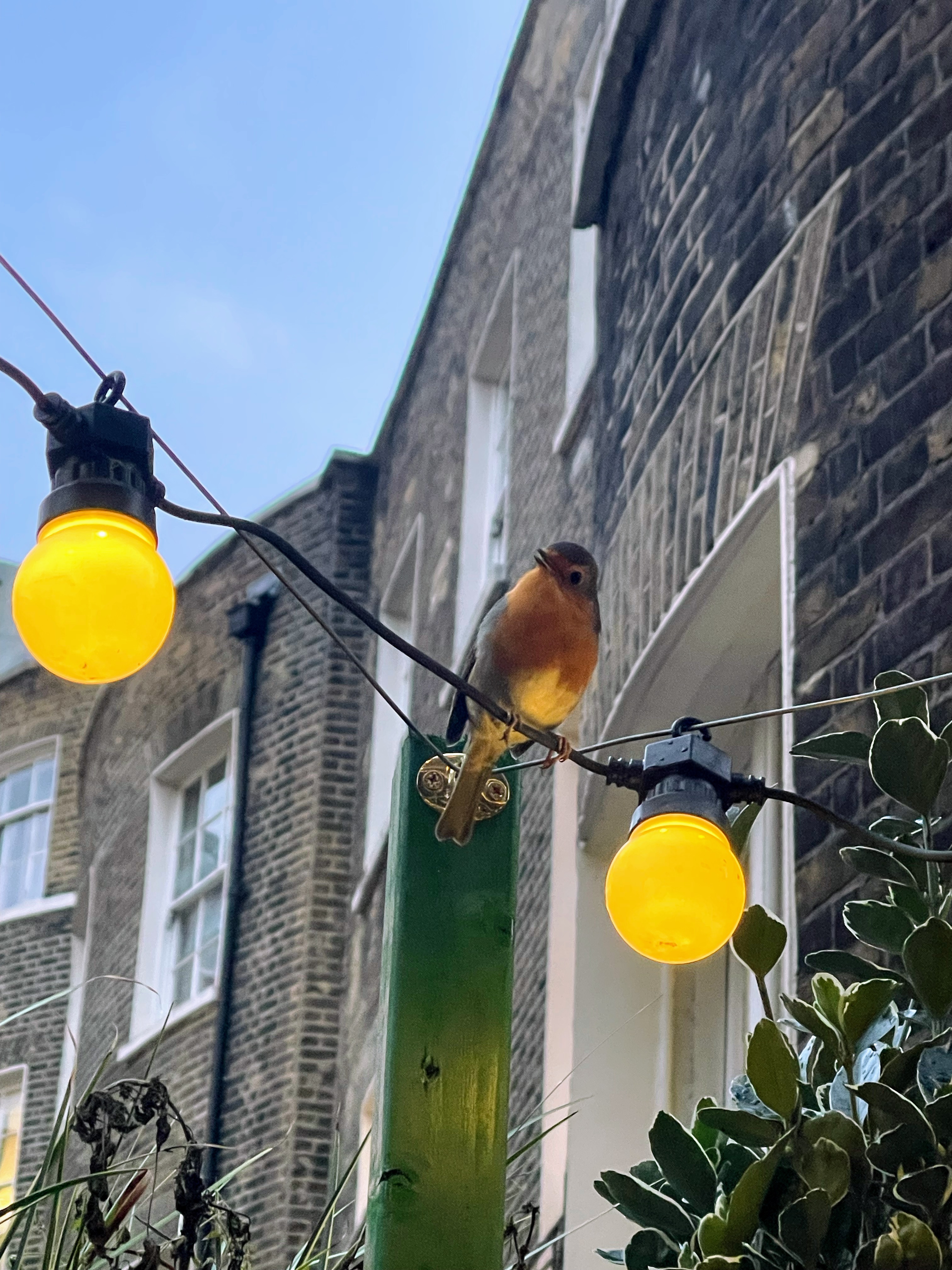
after reading so many times about playback experiments, I finally had the chance of trying it myself... This cute fellow seemed very eager to respond to my youtube clips of robins singing.
BioDCASE is now accepting task proposals for the upcoming challenge. If you're working on bioacoustic research and have interesting datasets or problems to share with the community, please consider submitting a proposal!
I'm very happy to say that I started as a postdoc researcher at Earth Species Project! I'll be continuing working on the intersection of computer science and bioacoustics, this time towards the decoding of animal communication.
Queen Mary University of London, 2025
ICASSP 2025 - IEEE International Conference on Acoustics, Speech and Signal Processing, 2025
Ecological Informatics, 77 (2023): 102258
ICASSP 2022 - IEEE International Conference on Acoustics, Speech and Signal Processing, 2022
DCASE 2021, 2021
ICASSP 2019 - IEEE International Conference on Acoustics, Speech and Signal Processing, 2019
arXiv preprint arXiv:1811.06016, 2018